Plan your perfect kitchen layout with our specialist tips. From assessing space and prioritising functionality to maximising storage and enhancing lighting, smart kitchen planning helps you create a room that suits your home, your lifestyle, and the way you cook.
Assessing Your Kitchen Space
Before designing your kitchen layout, start by assessing the available space. Measure the room carefully and take note of any fixed features, such as windows, doors, and structural walls. These details will help you determine what type of layout will fit and where your main appliances can be placed.
Think about how you move through the room each day. Good planning makes sure there is enough space to open cabinet doors, pull out drawers, and walk past one another without bumping. This is especially important if you have a busy home where several people use the kitchen at the same time.
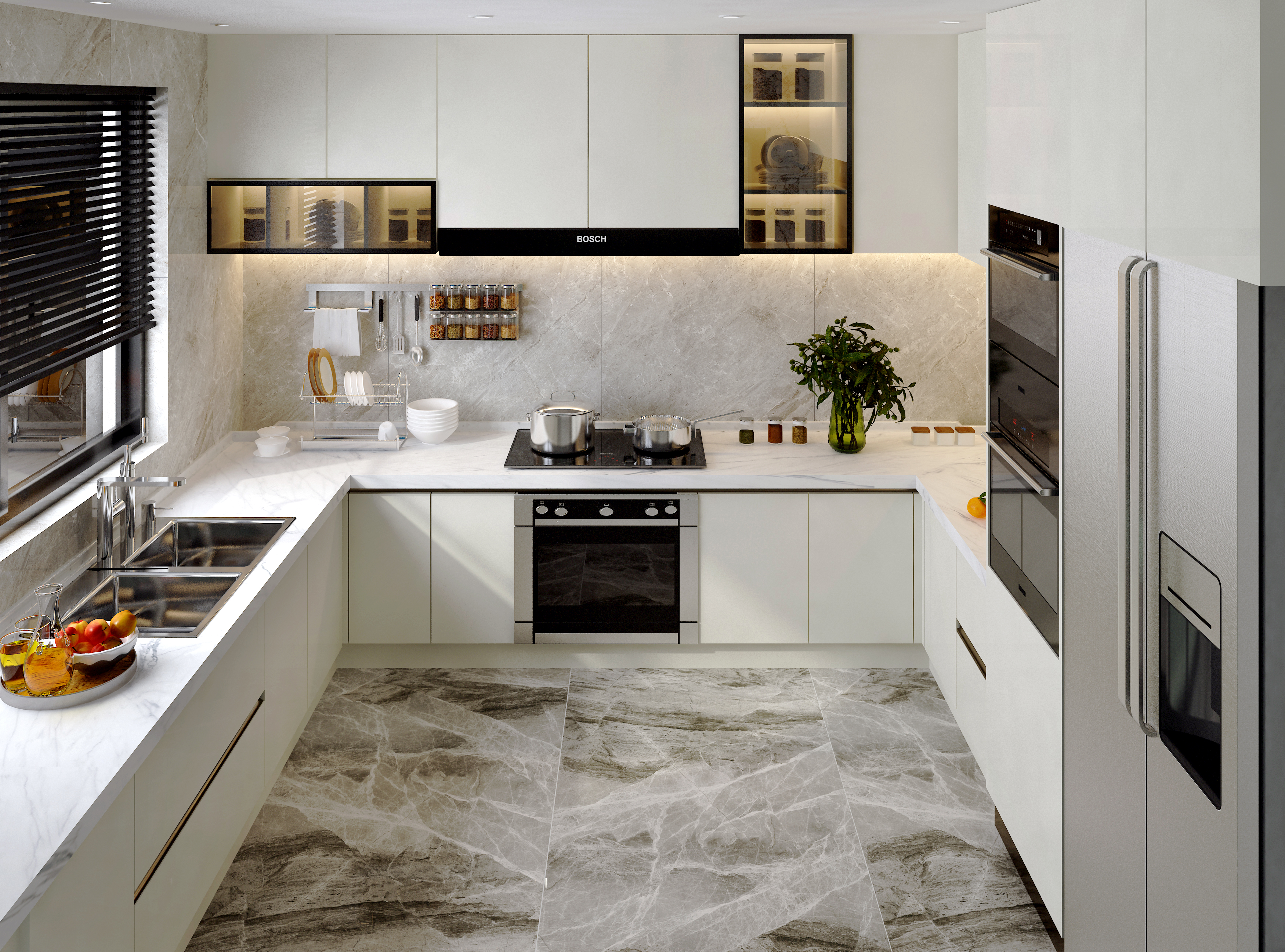
If your kitchen is small, a galley or l shaped kitchen might be the easiest way to keep everything close and practical. A larger kitchen can often suit a u shaped layout, or an island that adds extra units and work surfaces. If you like a more social feel, an open plan design may help the kitchen connect with the rest of your home.
Natural light matters too. Notice where daylight falls across the room during the day, and consider how this affects your main working areas. A bright, comfortable space can make the kitchen feel like a better place to spend time.
Choosing the Right Kitchen Layout
When you look at kitchen layouts, focus on how each shape supports your daily routine. There are many layout ideas, but the best option is the one that fits your room and makes cooking feel easy.
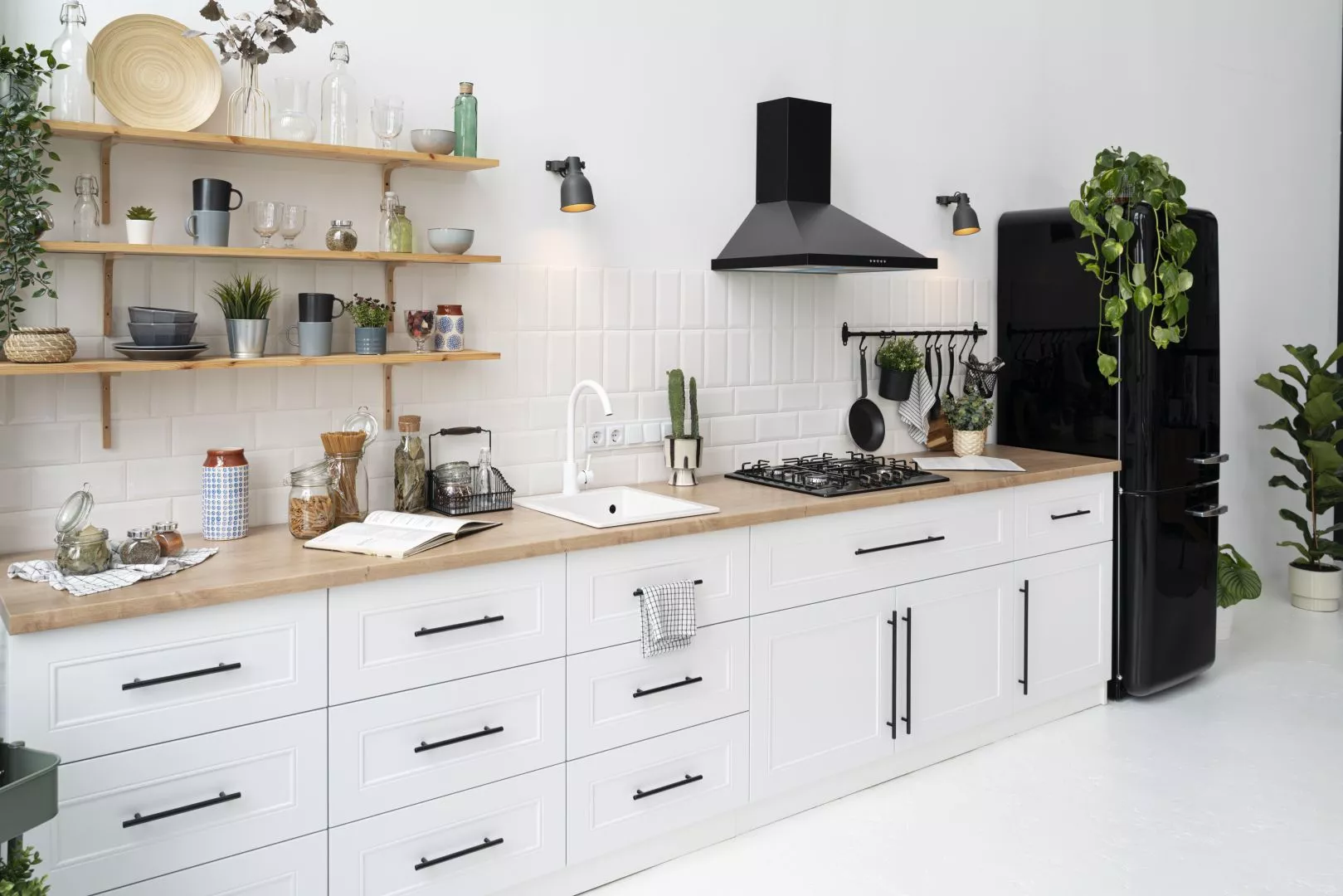
A one wall kitchen can work well in smaller homes or open plan areas where the kitchen needs to stay neat and simple. An l shaped layout often suits many homes because it keeps the work area efficient while leaving space for a table or extra storage. If you want more work surfaces, u shaped layouts can give you plenty of room for cooking and preparing food, especially when you add units on three sides.
A shaped kitchen layout can also help you make the most of awkward rooms, corners, or areas with many doors and windows. If you are working around an existing kitchen, it can be helpful to list what already works well and what feels frustrating, so your new plan solves real problems rather than just changing the look.
Functionality First
A well-planned kitchen always prioritises function. The “kitchen triangle” idea, placing the sink, hob, and fridge within easy reach, helps reduce wasted steps and keeps your kitchen running smoothly. This simple guide can be a great starting point, but it should still suit your room shape and your needs.
Try to keep the cooker, oven, and prep area close together, so you can move safely between chopping and cooking. Place the dishwasher near the sink so loading and unloading feels natural. If you can, leave a clear section of worktop beside the hob for hot pans, and a landing space near the fridge for unpacking food.
Think about the “zones” in your kitchen. Cooking, cleaning, and storage each need their own area, and your layout should make it easy to move between them. When planning a kitchen, it also helps to think about where you will store everyday items. For example, plates should be close to the dishwasher, and pans should be near the hob.
If you want the kitchen to be a place where people gather, a kitchen island or breakfast bar can add seating and give you extra workspace. If an island is not possible, you could still create a similar feel with a peninsula, which offers many of the same benefits while taking up less space.
Planning Around Appliances and Services
Your appliances are a big part of the layout, so plan them early rather than trying to squeeze them in later. The fridge, oven, hob, and dishwasher all need enough space around them to open doors fully. You should also check that the chosen location will not block a walkway or make the room feel tight.
It is also important to think about services like water, gas, and electrics. Moving a sink or hob can affect the cost and time of a renovation, so it is wise to factor this in before you finalise your design. If you are unsure, speak to installers or designers who can provide advice based on your room and what you want to achieve.
Ventilation is another key detail. A good extractor helps remove steam and cooking smells, which keeps the room comfortable and protects walls and ceilings over time.
Incorporating Storage Solutions
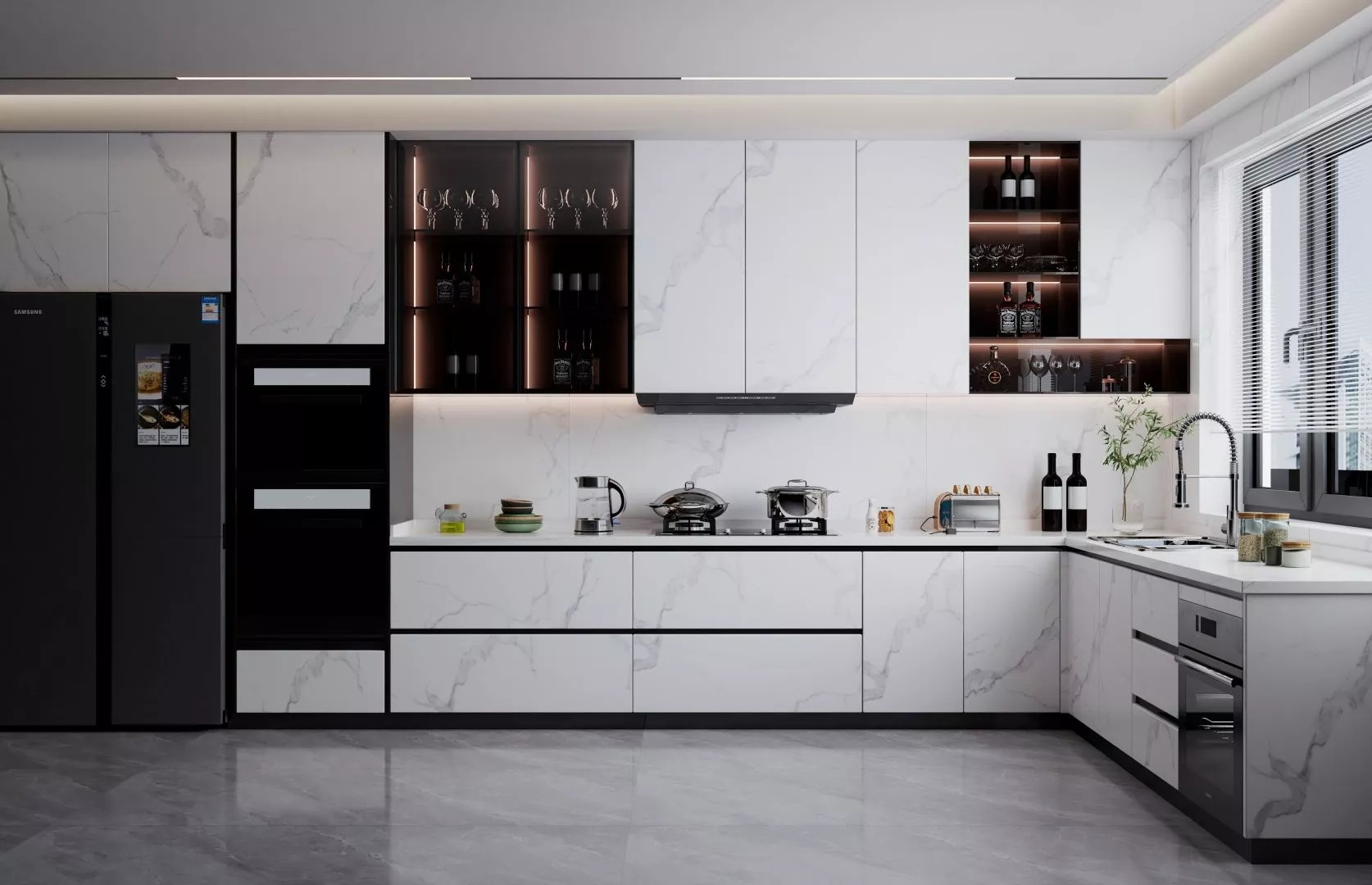
Maximising storage is essential for a clutter-free kitchen. Start by choosing cabinets that suit how you use the room. Deep drawers are ideal for pans, while taller units can store larger items and help you use vertical space up to the ceiling.
Think about what you want close to hand. Everyday items should be easy to reach, while less-used items can go in higher cupboards. Corner storage can be improved with carousel units, pull-out shelves, or smart fittings that make it easier to access items at the back.
Open shelving can work well for frequently used items, but it is best used in a way that still feels tidy. A mix of open and closed storage often suits most kitchens, because it gives you display space without making the room look busy.
If you have room for it, an island with built-in cupboards can add valuable storage without needing extra walls. This can be especially useful in open plan homes where wall space is limited.
Worktops, Flooring, and Finishes
Your worktops and flooring affect both the look and the day-to-day feel of the room. Choose surfaces that are practical for cooking and easy to clean. If you cook often, durable worktops can make a big difference over time.
Flooring should be comfortable underfoot and suitable for a space that may get wet or messy. Consider how the flooring connects to nearby rooms, especially in open plan layouts, so the whole area feels joined together.
Colours and finishes also play a role in how the kitchen feels. Lighter colours can help smaller kitchens feel larger, while darker colours can feel cosy and bold in a bigger room with good lighting.
Lighting Tips
Good lighting supports both function and mood. Start with bright task lighting where you do most of your prep and cooking, such as under-cabinet lighting above worktops. This helps you see clearly when chopping, cooking, and cleaning.
Ceiling lighting provides general brightness across the whole kitchen, while pendant lights can add style over an island or breakfast bar. Dimmable options can help you switch between bright working light and a softer evening feel.
Natural light should be used as well as possible. Keep windows clear where you can, and think about how blinds or curtains may affect daylight during the day.

How to Visualise Your Plan Before You Start
Before you start building, it helps to visualise the layout so you can spot issues early. Sketching your room on paper is a good start, especially if you mark doors, windows, and fixed features.
You may also want to use an online kitchen planner or speak with a kitchen planner in-store. These tools can help you see how different kitchen layouts will look and how your cabinets and appliances might fit. This step can help you avoid costly mistakes, especially during a renovation.
As you review your plan, ask yourself simple questions. Does it feel easy to move between the sink, hob, and fridge? Is there enough space to open doors and drawers? Do you have a clear place to prepare food, cook, and clean up? Small checks like these can make a big difference.
Common Mistakes to Avoid
Poor kitchen planning can lead to frustration and wasted space. One common mistake is ignoring the kitchen triangle, which can make the room feel awkward to use. Another problem is squeezing appliances too close together, which can cause congestion and make it harder to open doors safely.
Storage is often underestimated. If you do not plan cupboards, shelves, and drawers properly, worktops can become cluttered and the kitchen can feel messy. It is also easy to forget about bin storage, recycling space, and where to store small appliances like a toaster or mixer.
Overlooking ventilation can cause lingering odours and extra moisture, which may affect walls and ceilings over time. Poor lighting can also be a problem, especially if you rely on a single overhead light and leave work areas in shadow.
Finally, plan enough sockets and place them where you will actually use them. Think about where you will plug in appliances, charge devices, and use extra equipment during cooking.
Final Thoughts on Creating Your Dream Kitchen
When designing a kitchen, the best results come from careful planning and a clear idea of how you want the room to work. Start with your space, choose a layout that suits your home, and plan the position of your sink, hob, fridge, oven, and dishwasher in a way that supports your daily routine.
Whether you are creating a new kitchen from scratch or updating an existing kitchen, a thoughtful layout can make cooking easier, storage smarter, and the whole room more enjoyable to spend time in.
If you're looking for bathroom and kitchen design services in Stockport, Salford, Manchester, and the surrounding areas, then please get in touch. Our team of experienced designers and builders in Manchester specialises in crafting bespoke bathrooms and kitchens.