Maintaining a building is crucial to ensure its longevity, safety and day-to-day comfort. Good building maintenance keeps the structure, services and finishes in sound condition so that tenants, owners and visitors can use the space without worry.
A well maintained property is also more energy efficient, easier to manage and holds its value over the long term. There are many types of maintenance tasks that help keep buildings safe and functional. Regular maintenance helps you find issues early and repair them before they turn into serious problems.
A clear maintenance checklist and planned maintenance work are vital for any building, whether it is a small home or a large office.
Below, you will find the essential regular maintenance a building needs, including plumbing, heating systems and air conditioning, cleaning and sanitisation, external repairs, electrical safety and compliance checks. By planning regular inspections and repairs, you can ensure your building remains safe, comfortable and energy efficient year round.
Plumbing Inspections and Repair
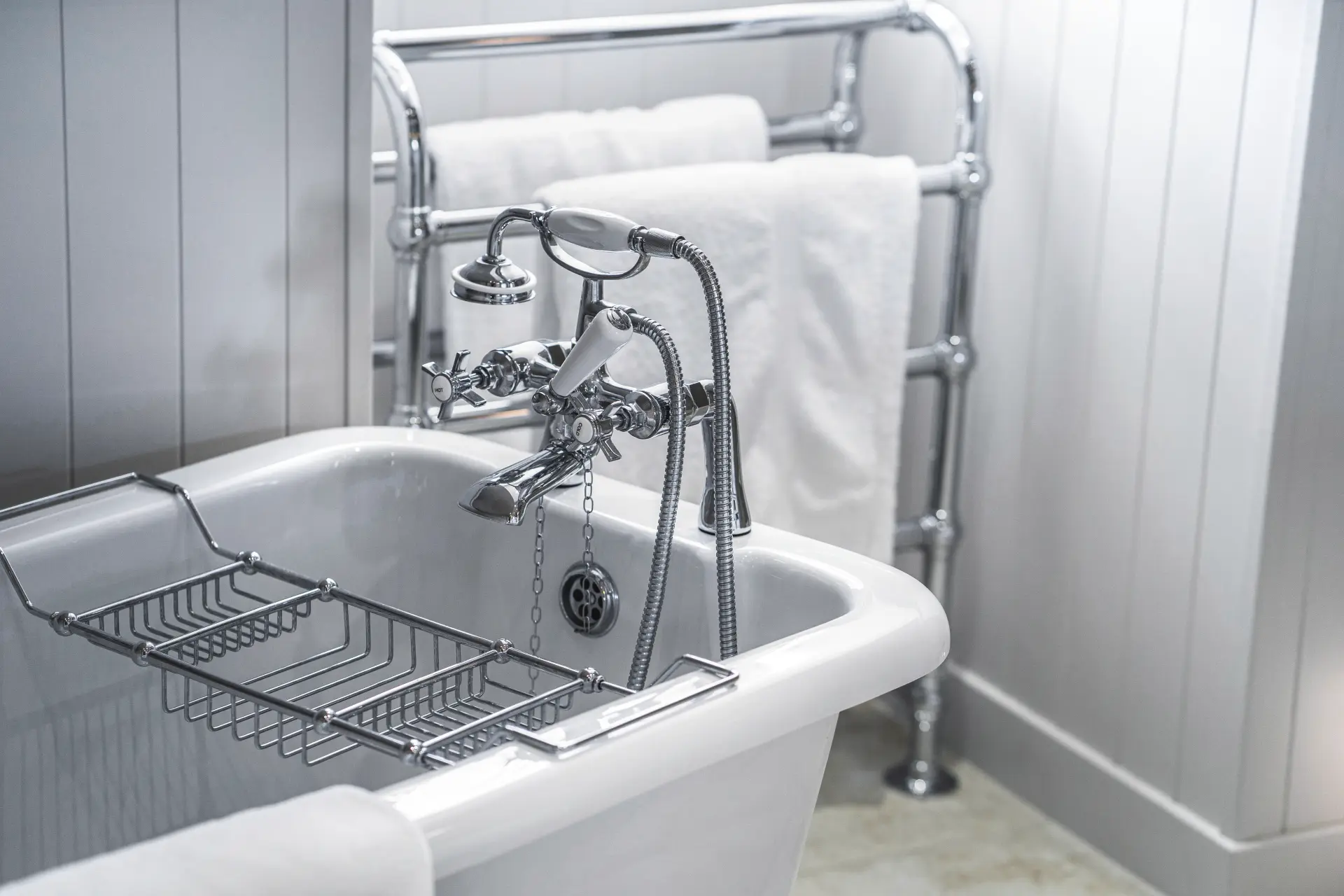
Regular plumbing inspections are one of the most important parts of building maintenance. These checks make sure that the pipes, tanks and fittings are working properly. Plumbing maintenance helps prevent leaks, pipe bursts and water damage inside the building.
During an inspection, a professional will check visible pipes, taps, toilets, drains and any exposed joints. They will look for drips, stains, mould and other signs of damage. These regular checks can find potential issues in your building before they worsen and affect other areas.
If any issues are found during these inspections, prompt repairs are required. Repairs might include sealing small leaks, replacing damaged pipes, unblocking drains or servicing heating systems that use hot water. Fixing plumbing issues early can prevent structural damage, damp and deterioration of walls, tiles and flooring.
Only trained professionals should carry out these inspections and repairs. This helps ensure that the building remains safe and functional and that work meets any compliance rules. Professionals can provide clear information about the condition of your plumbing and advise on the maintenance tasks needed each year.
Regular plumbing maintenance helps avoid common issues and extends the lifespan of the system. Well maintained pipes and fittings can reduce water waste, cut energy bills and create a more comfortable environment. By scheduling inspections and dealing with any repair work quickly, building owners can avoid expensive damage in the future.

Heating Systems, Ventilation and Air Conditioning
Heating systems and air conditioning are essential building services that keep the indoor environment comfortable. They also affect safety, health and energy use. Regular maintenance of heating and cooling is important to ensure equipment runs safely and efficiently.
Routine checks should include boilers, radiators, pumps, control panels, air conditioning units and vents. Engineers will check for leaks, test pressure, clean filters and confirm that safety controls are working correctly. This kind of preventive maintenance helps find issues early and reduces the chance of sudden breakdowns in cold or hot weather.
Poorly maintained heating and air conditioning can lead to higher running costs, uneven room temperatures and even health problems, especially if filters are clogged with dust and debris. Over time, this neglect can cause serious damage to equipment and shorten its lifespan.
By booking regular inspections with qualified engineers, you can maintain comfortable temperatures throughout the building, protect tenants and visitors, and support the longevity of your heating and cooling systems. Maintenance work on these services is a vital part of keeping buildings safe and pleasant to use.
Sanitisation and Deep Cleaning
Cleaning and sanitisation are crucial aspects of building maintenance. These practices are essential for preventing diseases, controlling mould and removing grime and dust. In homes, offices and public buildings, a clean space is vital for the well-being of the occupants.
Regular cleaning helps to reduce allergens and create a healthier living and working area. This includes sanitising floors, upholstery, windows, kitchens, bathrooms and shared areas such as corridors and reception spaces. Regular attention to these areas ensures the building stays as healthy and presentable as possible for tenants and visitors.
Deep cleaning goes beyond everyday cleaning as it focuses on removing deep-seated dirt. It often includes washing behind and under furniture, cleaning high-level surfaces, sanitising vents and paying close attention to areas that are usually missed. This attention to detail ensures that even the smallest corners are properly sanitised.
For commercial properties and hotels, regular cleaning and sanitisation becomes even more important. These environments need more intense cleaning routines to uphold high hygiene standards set by law, insurers or brand guidelines. It is not just about looking clean. It is about providing a safe, sanitary environment for everyone.
Another critical aspect of regular deep cleaning is pest control. A dirty or cluttered environment can attract pests, which pose significant health risks and can damage the building fabric. Regular cleaning practices deter pests by eliminating the grime and food waste that attract them. This makes the environment healthier and more pleasant for everyone involved.
Using professional cleaning services ensures that every corner is thoroughly cleaned, including areas that are hard to reach. Regular cleaning and deep cleaning are essential maintenance tasks that help maintain a safe, hygienic and welcoming building all year round.
External Repairs: Doors, Windows, Roofs and Walls
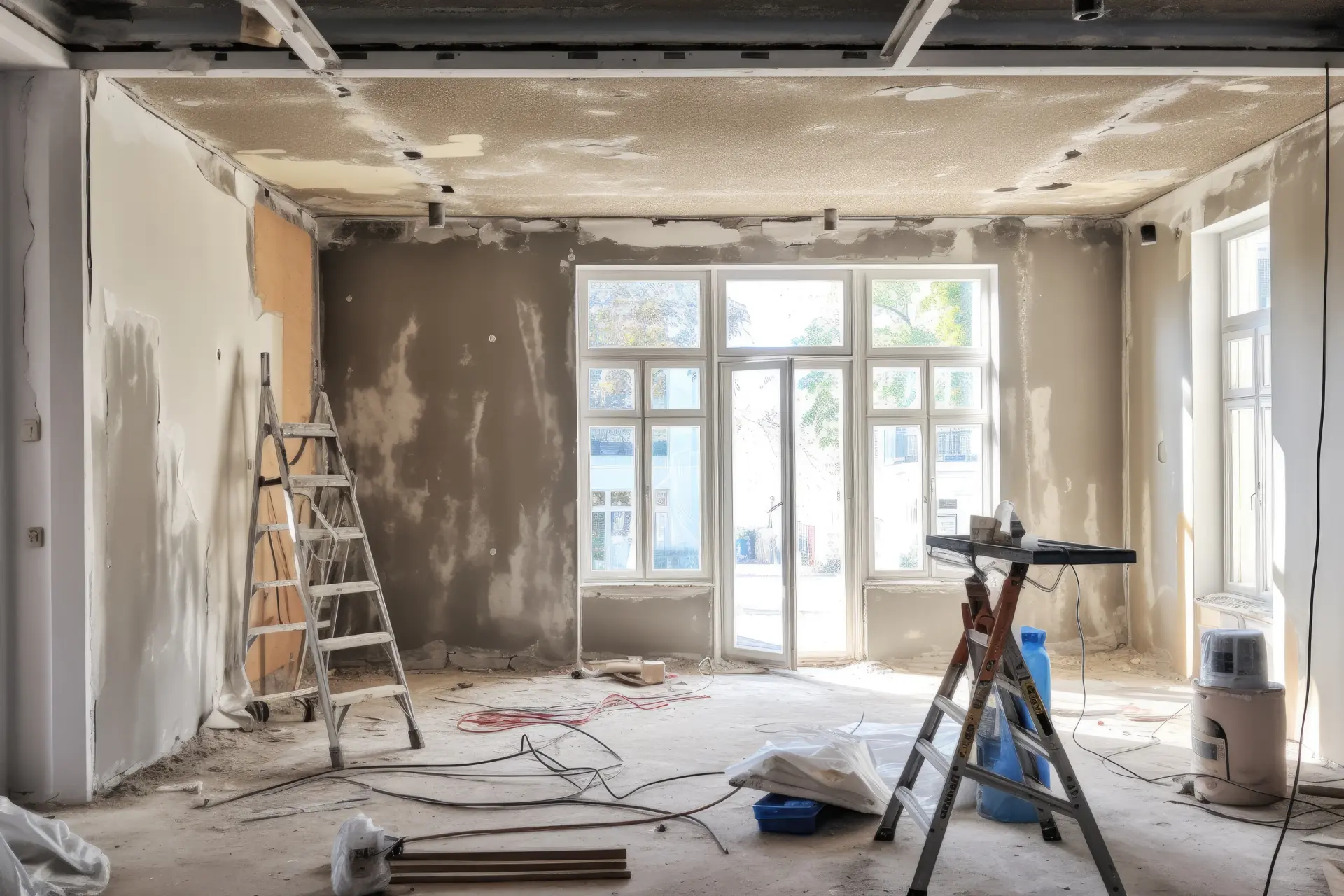
External repair services play a crucial role in the maintenance of a building. This work involves inspecting and repairing doors, windows, roofs and walls, all of which protect the interior from weather and wear. Regular inspections by professionals can find issues like cracks, leaks and storm damage. Dealing with these problems quickly helps protect the building from costly and long term damage.
Doors and windows are essential for security, insulation and comfort. Maintenance for these elements includes checking seals, frames, locks, hinges and glazing. Ensuring that doors and windows are in good condition can prevent water leaks, draughts and heat loss. Worn seals, warped frames or damaged glass should be repaired or replaced to maintain safety and efficiency.
The roof is one of the most exposed parts of a building and needs regular attention. Roof inspections should be carried out to find missing or broken tiles, damaged flashing, blocked gutters and any other external damage. Debris left on the roof or in gutters can trap water and cause leaks. Roof maintenance is vital to prevent the structural integrity of the building from becoming compromised.
Walls are another fundamental element that need regular maintenance. Inspections should focus on identifying cracks, loose render, staining and water damage. Over time, walls can move and deteriorate. Regular upkeep helps prevent serious structural issues and keeps the building safe and attractive.
By making regular repairs to these external areas, you not only keep the building safe but also enhance its appearance and value. Regular inspections and timely repair work help maintain the longevity of the building and prevent minor issues from escalating.
Gutters, Drains and External Areas
Gutters and drains are often overlooked, yet they are vital for directing rainwater away from the building. When gutters become blocked with leaves, moss and other debris, water can overflow and run down walls, causing damp, staining and long term deterioration.
Regular maintenance should include cleaning gutters, downpipes and gullies to keep water flowing freely. It is also important to check that brackets are secure and that there are no gaps or leaks at joints. In some buildings, you may need to inspect flat roofs and balcony drains, since standing water can lead to damage and leaks into the rooms below.
External areas such as paths, car parks and steps should also be inspected. Uneven surfaces, loose tiles or cracked paving can be trip hazards for tenants and visitors. Keeping these areas clear, well lit and in good condition is vital for safety.
By planning regular checks of gutters, drains and external surfaces, you can prevent water damage, protect the structure and maintain a safe approach to the building for everyone who uses it.
Painting, Decorating and Interior Finishes
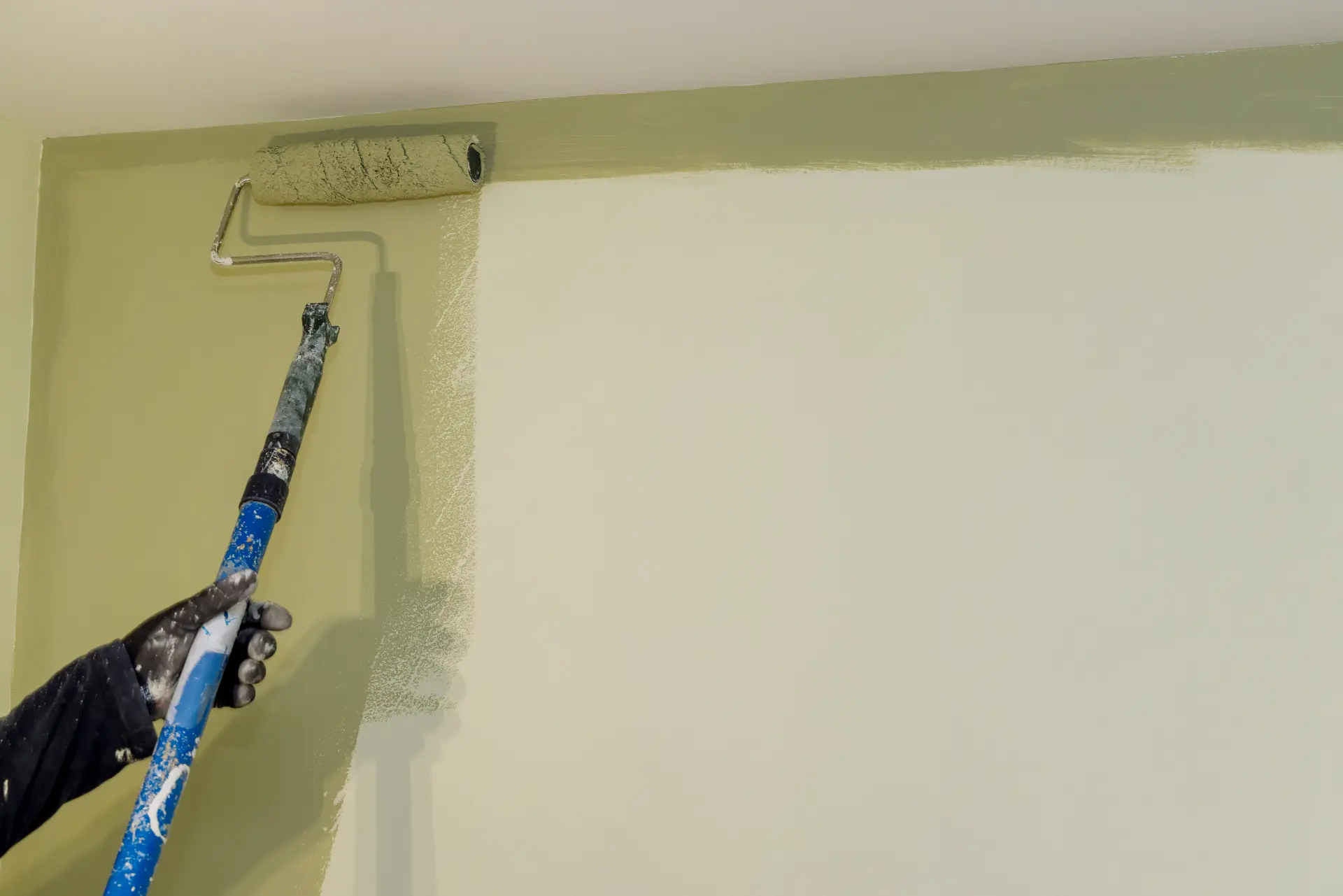
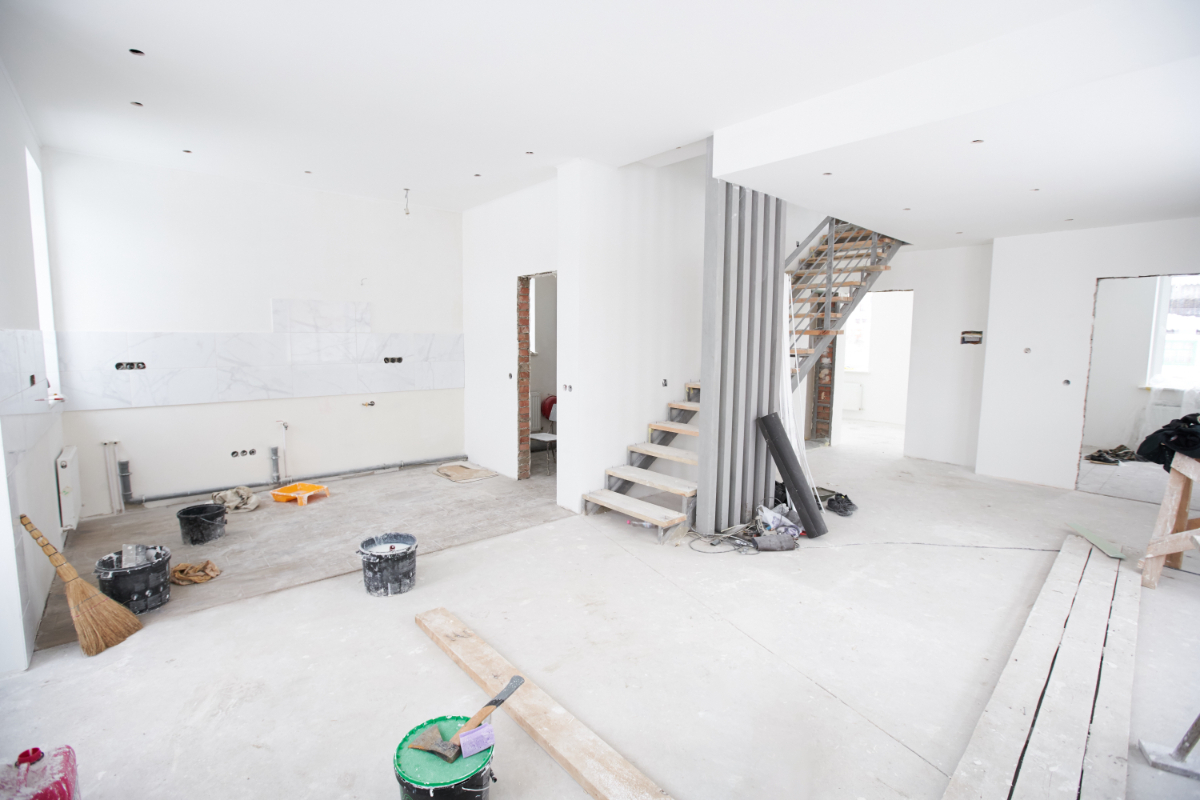
Painting and decorating also play an important role in building maintenance. Regular touch-ups protect surfaces from wear and tear and help keep the building looking clean and welcoming. Peeling paint, marked walls or worn patches are clear signs that maintenance is needed.
Touch-ups might involve repainting scuffed walls, sealing cracks, treating damp patches and making sure the finish is even. This process helps protect surfaces from moisture and general deterioration. In many buildings, shared corridors, stairwells and receptions need attention more often because they see more use.
In residential properties, painting and decorating can improve the environment and enhance property value. Fresh paint can make rooms feel bigger, brighter and more modern. In offices and public buildings, clean, well chosen colours can create a positive impression on staff and visitors.
Professional painters and decorators are often required for this kind of maintenance work. They can prepare surfaces correctly by cleaning, sanding and priming, and they have the experience needed to spot early signs of problems such as damp, mould or hidden structural cracks. By dealing with these issues early, owners can avoid much more serious and expensive repairs later.
Electrical Repairs and Inspections
Electrical repairs and inspections are crucial for maintaining the safety of any building. Ensuring that electrical systems work correctly protects the occupants and reduces the risk of electrical fires. Regular inspections help identify issues before they worsen and affect other parts of the property.
During an inspection, professionals will check circuits, wiring, sockets, lights and distribution boards. They will also make sure that safety devices, such as residual current devices, are working and that all systems follow current regulations. This level of care is essential for compliance and for the safety of tenants, staff and visitors.
Electrical repairs can involve many types of work. This might include fixing faulty wiring, replacing outdated fittings, upgrading lighting, or installing new components for building services. Faulty electrical systems can lead to fires, equipment damage or even personal injuries. Keeping them in good condition is a crucial aspect of building maintenance.
Hiring qualified electricians ensures that all inspections and repairs are carried out safely and correctly. These experts have the skills and equipment to identify and fix issues properly. Routine electrical maintenance helps ensure the building’s systems remain reliable, safe and fit for purpose.
Fire Safety, Security and Compliance Checks
Fire safety and security systems are vital for protecting people in buildings. Regular checks of fire alarms, smoke detectors, emergency lighting and fire doors are required to keep everyone safe. Maintenance is important to ensure that, in an emergency, these systems work as expected.
Inspections should also cover fire extinguishers, escape routes and safety signs. Any damage, missing equipment or blocked exits must be dealt with straight away. This is not only crucial for safety but also for legal compliance. Many buildings must meet specific standards and keep records to prove that fire safety checks and maintenance work have taken place.
Security systems such as access control, intercoms, cameras and locking systems also need regular inspections. These checks help ensure that only authorised people can enter the building and that tenants and visitors feel safe at all times.
By carrying out regular checks on fire safety and security systems, building owners can meet compliance duties, protect lives and avoid serious fines or legal action.
Internal Areas, Fixtures and Common Spaces
Inside the building, many small items also need regular maintenance to keep the property safe and presentable. Doors, locks, handles and hinges should all be checked so that they open and close smoothly and provide suitable fire and security protection. Floor tiles, carpets and stair coverings must be secure to avoid slips and trips.
Ceilings, light fittings and internal windows should also be inspected for signs of leaks, staining or damage. Stains on ceilings or around window frames may show hidden leaks in the roof or walls. Finding these issues early allows you to repair the source and prevent further deterioration.
Common areas, such as entrance halls, lifts, stairwells and shared kitchens, need careful attention. These spaces are often used by many people, so they should be kept in good condition, clean and free from clutter. Regular checks help to maintain a safe and pleasant environment for tenants and visitors.
Creating a Building Maintenance Checklist and Plan
To keep on top of all these tasks, it is helpful to create a clear maintenance checklist. This document should list all the maintenance tasks that are required, how often they need to be carried out and who is responsible for them. A checklist makes it easier to plan regular inspections and maintenance work throughout the year.
Preventive maintenance, where you inspect and service items before they fail, is one of the best ways to manage a building. This approach helps you find potential issues before they become serious, saving both time and money. Maintenance helps to extend the life of roofs, windows, heating, electrical systems and many other parts of the building.
A good maintenance plan will cover day-to-day tasks, seasonal checks and large repairs. It should also include information on how to deal with emergencies, such as sudden leaks or power failures. Reviewing the plan each year helps ensure it still reflects the building’s condition and the needs of the tenants.
By planning maintenance in this way, owners can protect the building for the long term, improve safety and ensure the property remains comfortable and efficient.
Working With Professional Building Maintenance Services
Many owners and managers choose to work with professional building maintenance services. A skilled team can look after the building as a whole, from plumbing and electrical systems to cleaning, painting and external repairs. This gives peace of mind that all required tasks are being handled by people with the right training and experience.
Building maintenance services can carry out regular checks, create maintenance schedules and provide clear reports on the condition of the property. They can also advise on the best way to maintain different types of buildings and systems, and help plan for future upgrades or repair work.
When you search for a maintenance provider, it is helpful to ask about their experience, the range of services they offer and how they manage health and safety. Many companies will invite you to get in touch for more information, so you can see how their team would support your building.
Working with professionals can make it much easier to maintain a safe, compliant and attractive building, especially when there are many different systems and areas to manage.
Why Regular Maintenance Is Important Year Round
In summary, regular maintenance is important for every building, whether it is a home, an office or a large complex with many tenants. By taking care of plumbing, heating, air conditioning, cleaning, external repairs, electrical safety and fire protection, you can prevent damage, protect people and support the longevity of the property.
Building maintenance is not a one-off task. It is a year round effort that involves regular inspections, routine maintenance work and prompt repairs when needed. When a building is well maintained, it is safer, more comfortable and more efficient to run. It also gives a better experience for tenants, staff and visitors, and protects the investment of the owners.
By following a clear maintenance checklist, planning preventive maintenance and working with a reliable maintenance team, you can ensure your building stays in good condition for many years to come.
Welcome to Manchester's premier property management and repair service! We specialise in ensuring your property stays in premium condition, offering comprehensive solutions for all your maintenance needs. Your property, our expertise – a perfect partnership.